
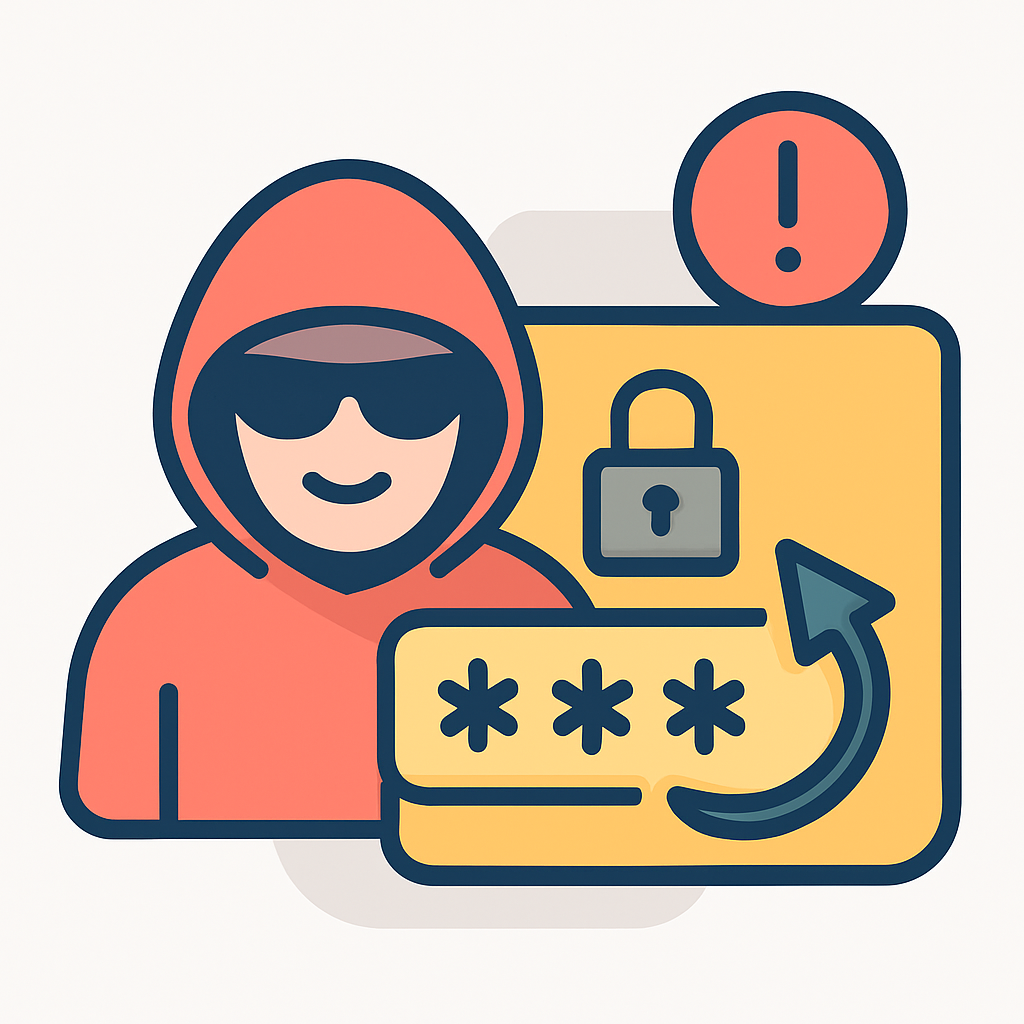
Here we explore ‘Improper Authentication’ within the context of social engineering, detailing how attackers exploit flaws in authentication mechanisms. By understanding these vulnerabilities, you can better simulate the strategies used by genuine threat actors to gain unauthorized access.
Improper Authentication: A failure in validating the identity of a user, allowing attackers to bypass traditional security controls and obtain unauthorized access through social engineering attacks.
Why It Matters
Improper authentication represents a critical flaw impacting the integrity of access control mechanisms across many systems. For practitioners conducting phishing and social engineering simulations, the presence of these vulnerabilities means there are multiple vectors to exploit. Attackers commonly leverage improper authentication to bypass login requirements, escalate privileges, or access sensitive information without direct user interaction.
Social engineers exploit these weaknesses not only to breach systems but to convincingly manipulate users into compromising actions. Attackers often mimic trustworthy entities through phishing emails to harvest credentials, subsequently taking advantage of weak or improperly configured authentication systems due to these vulnerabilities. Such tactics highlight the importance of understanding how improper authentication manifests within the broader spectrum of social engineering strategies.
In Practice
One prominent example of improper authentication emerged with vulnerabilities found in Check Point’s SmartConsole. Here, attackers bypassed authentication mechanisms due to flaws in the software’s validation processes. Vulnerabilities like these are cataloged in the CISA Known Exploited Vulnerabilities catalog, helping operators understand potential weaknesses that adversaries might target.
Consider this scenario: an attacker sends a phishing email purporting to be from the IT department of a large financial institution. The email’s subject line reads, “URGENT: Immediate Security Update Required.” The body of the email impersonates an internal memo, guiding the recipient to a login page designed to harvest credentials during a simulated security patch process. A subtle touch of realism is added by using domain strings like security-updates.bankname.com, closely mimicking legitimate URLs. Once credentials are acquired, the attacker exploits improper authentication by using those credentials in an environment where multifactor authentication (MFA) is improperly configured, achieving unauthorized access.
Another case involves leveraging tools such as Evilginx2 in advanced phishing attacks, creating realistic man-in-the-middle proxy attacks. Operators deploy this technique to capture session cookies, effectively bypassing MFA systems entirely when improper authentication controls are in place. For instance, a crafted email claims to be from a popular cloud service provider, urging the user to review a shared document at review-docs.quickcloudstorage.com. The target, lured into this trap, submits their login details along with the session token, inadvertently providing full access to personal accounts.
Related Terms
Familiarizing oneself with spear phishing, credential stuffing, and authentication and authorization principles can provide a broader context for understanding improper authentication within phishing and social engineering landscapes. These concepts build a foundation for simulating and defending against complex attack vectors.
References
Related Reading
- What is Comment Stuffing in HTML Phishing?
- What is Privilege Escalation in Phishing?
- What is Code Injection in Social Engineering?
- Mastering Target Selection in Phishing: Strategic Approaches and Tactics
Educational Purpose: This content is provided for awareness and defensive purposes only. Understanding attacker methodologies helps individuals and organizations protect themselves.