
Definition
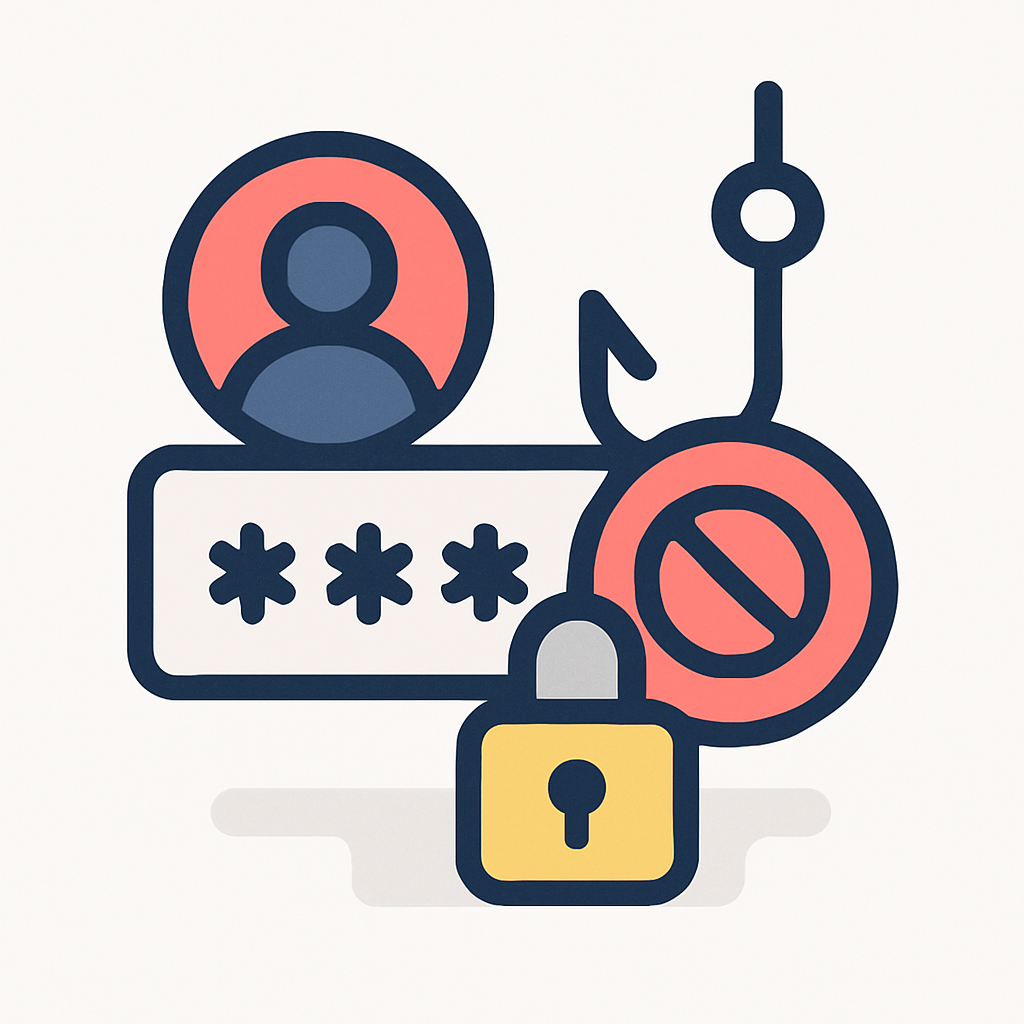
Authentication bypass in phishing involves exploiting vulnerabilities or alternative pathways to access protected resources without valid credentials.
In the context of phishing, authentication bypass allows attackers to circumvent normal authentication mechanisms, often by leveraging legitimate-looking channels or exploiting specific security flaws. This is a critical technique in phishing and social engineering that helps threat actors gain unauthorized access without raising immediate suspicion.
Why It Matters
Authentication bypass is a significant threat in phishing because it capitalizes on its ability to undermine authentication processes, making it a formidable tool in an attacker’s arsenal. In a typical phishing scenario, attackers craft emails or websites that appear legitimate to entice users to surrender their credentials. However, by incorporating authentication bypass techniques, attackers can directly penetrate systems without depending solely on user interactions. This increases the likelihood of success, particularly when combined with known vulnerabilities or misconfigurations.
For example, CVE-2026-18556 highlights how attackers might exploit specific software weaknesses to bypass authentication steps entirely. Phishing campaigns leveraging such vulnerabilities can lead to devastating breaches, especially when organizations rely on these vulnerable systems for protecting critical functions and data.
In Practice
Consider a scenario where an attacker uses an email purporting to be from IT support titled, “Important: Immediate Update Required.” The attacker includes a link to a website where users are prompted to log in to verify their credentials. While a typical phishing attempt captures credentials through this interaction, authentication bypass would allow the attacker to exploit a weakness on the underlying server to gain access directly once the login page is visited, without the user entering any additional information.
Another example involves leveraging a common exploit path through a vulnerable API endpoint. Attackers send a phishing email urging the recipient to review a shared document via a provided link. Once the user clicks the link, the attacker exploits an API vulnerability to access the user’s files directly, bypassing authentication controls in place on the endpoint.
Finally, in a more sophisticated attack, social engineering is paired with malware deployment. The victim receives an enticing email with an attachment that, when opened, utilizes a macro to exploit a known software vulnerability like CVE-2026-18556, manipulating the login process to allow the attacker immediate access. This combined method effectively bypasses user authentication requirements, achieving access with minimal overt interaction.
Related Terms
Understanding authentication bypass can be enhanced by also exploring terms such as Cross-Site Scripting (XSS), which often serves as a precursor to more complex exploitation, or Privilege Escalation, where attackers gain elevated access post-bypass. Additionally, studying Multi-Factor Authentication (MFA) helps contextualize how bypass techniques undermine traditional security measures.
References
- CISA Known Exploited Vulnerabilities Catalog
- Wikipedia: Security Hacker
- InfoSec Institute: Phishing Attacks – A Comprehensive Guide
Related Reading
- What is Social Engineering Phishing?
- What is Code Injection in Phishing?
- What is AutoIT in Phishing?
- What is OIDC Authentication Bypass in Phishing?
Educational Purpose: This content is provided for awareness and defensive purposes only. Understanding attacker methodologies helps individuals and organizations protect themselves.